
Become a Petit Scholar
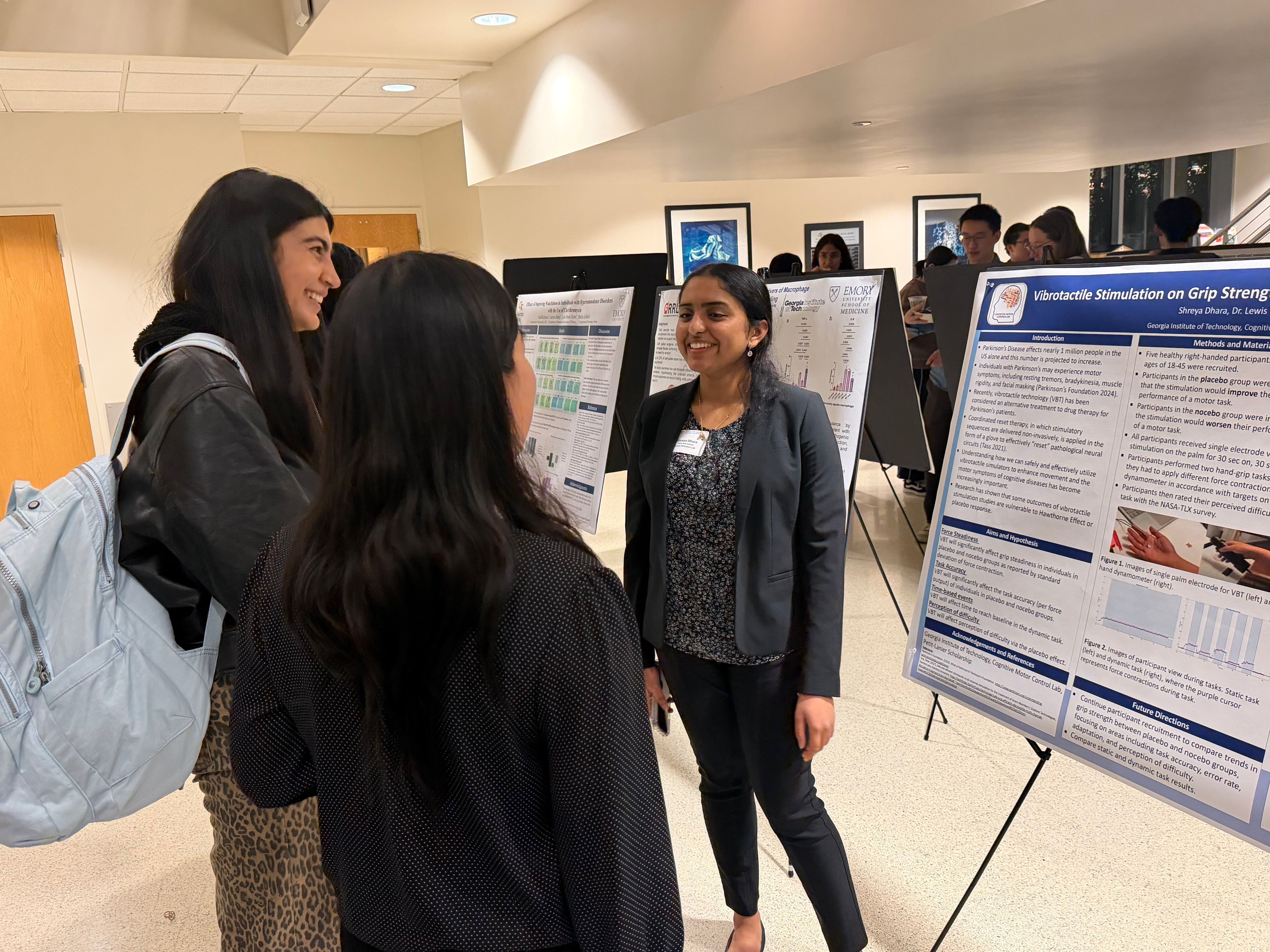
Scholars selected to participate in the year-long program are matched with a research project submitted by prospective graduate/postdoc mentors. Their research begins in the spring semester each January while taking regular coursework. During this time, they acquire the skills and training necessary to develop their research projects and chart their course for the upcoming year. In the summer semester, scholars conduct their research full-time (40 hours/week) immersing and integrating into the research group, attending group meetings, and participating in other lab activities. When classes resume in the final fall semester, scholars continue their research to develop results that will be presented at an end-of-year poster session and celebration in October/November.
Applications are now open for the 2027 Petit Scholar cohort. See full requirements and criteria below, and apply by Sept. 15, 2026.
The Petit Research Scholars program provided me the opportunity and framework to really get deeply involved and develop my own research. I have since presented my work at both national and international conferences, and the program has helped motivate me towards a future as a medical scientist."
– Frederick Damen, former Petit Scholar
Applicant Criteria
- Have completed a minimum of 45 credit hours as of January 2027 (first-year students are not eligible)
- Have demonstrated interest in bioengineering and/or bioscience research and provide two reference letters
- Minimum overall GPA 3.7 and provide an official university transcript
- Make a commitment to the program starting in January of 2027 and concluding at the end of December 2027
- May not have an expected graduation date of December 2027 or May 2028
- Make a commitment to full-time availability during summer months (student should not be enrolled in summer classes)
- Be currently enrolled at the Georgia Institute of Technology, Emory University, Georgia State University, Clark Atlanta University, Spelman College, Morehouse College, Agnes Scott College, Kennesaw State University, or another metro Atlanta area college or university
Priority consideration will be given to Scholar applicants with a stated interest in the following research areas:
- Automation and Supply Chain Management
- Biomaterials
- Cancer Biology
- Cell Manufacturing
- Chemical Biology
- Computational Biology and Bioinformatics
- Imaging of Living Systems
- Mechanical Engineering
- Pediatric Technologies
- Regenerative Medicine
- Systems Biology
Requirements/Expectations
- Spring semester—conduct research 12+ hours per week, while taking normal coursework
- Summer semester—conduct research 40+ hours per week (scholars should not be enrolled in summer classes)
- Fall semester—conduct research 12+ hours per work, while taking normal coursework
- Attend program enrichment workshops throughout the year, details to be published as scheduled
- Participate in various program-sponsored social activities as scheduled
- Participate in end-of-year poster session and reception for members of the Petit Institute community
Timeline
- The 2027 scholar application cycle is open starting June 24, 2026
- Application Deadline: Sept. 15, 2026
- Begin your application early! Applications can be saved as a "draft" and returned to for editing. The InfoReady system allows applicants to send reference letter requests while in draft mode!
- Sept. 15, 2026 deadline for receipt of two reference letters and official university transcript(s) per applicant
- Mid-October 2026 - Petit Scholar notifications sent
- Late-October 2026 - Official announcement of Petit Scholar/Petit Mentor pairs
NOTE: It is the responsibility of the applicant to ensure that references and transcript(s) are submitted/received by the application deadline.
Stipend
- $8,000 stipend to be paid over the course of the calendar year (January through December); scholars must provide their own housing
- GT students (only) may elect to waive stipend payment in the spring or fall semester in lieu of receiving research credit