
Research Overview
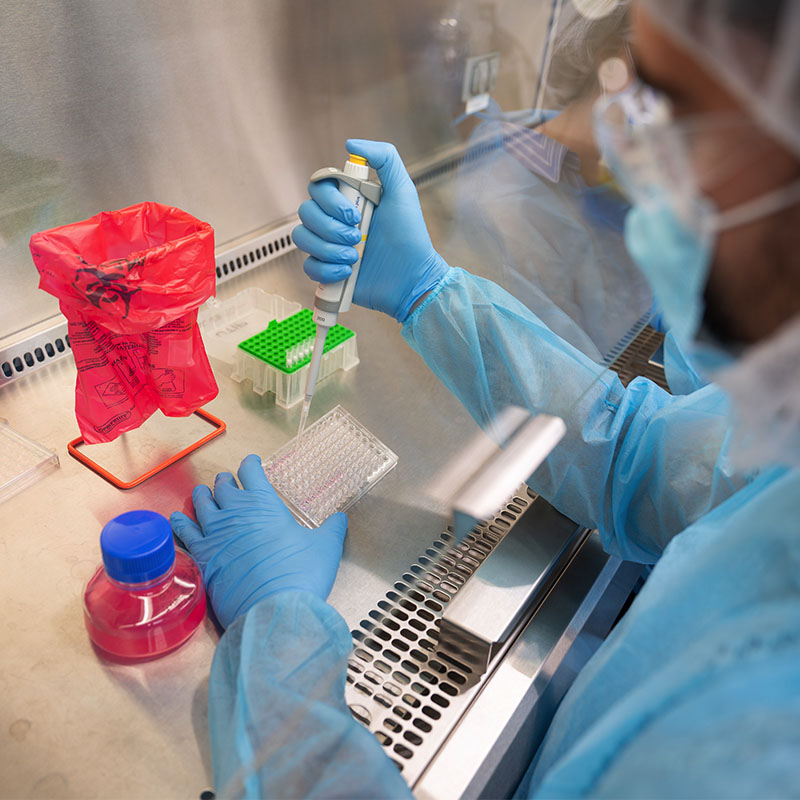
IBB acts as an incubator for a variety of research activities and was built to tackle complex medical research problems using an interdisciplinary approach.
IBB accelerates discovery and translation across the life sciences and engineering. We convene interdisciplinary teams to tackle problems spanning human health, environmental resilience, and biomanufacturing. Our researchers bridge fundamentals and applications — advancing new technologies, therapies, diagnostics, and data-driven approaches that move from bench to bedside and beyond.
Research Areas

AI and Health
IBB advances the future of healthcare by pioneering research at the intersection of artificial intelligence and human health, driving breakthroughs in diagnostics, therapeutics, and personalized medicine.
Biomanufacturing
IBB drives innovation in biomanufacturing by developing advanced biological systems, scalable production technologies, and next‑generation solutions that translate cutting‑edge research into real‑world impact.
Biomaterials and Regenerative Medicine
Researchers at IBB are developing advanced biomaterials that combine constructed materials with biological features. These next-generation biomaterials are designed to work closely with living systems, triggering specific responses and promoting integration with the body.
Cancer Technologies
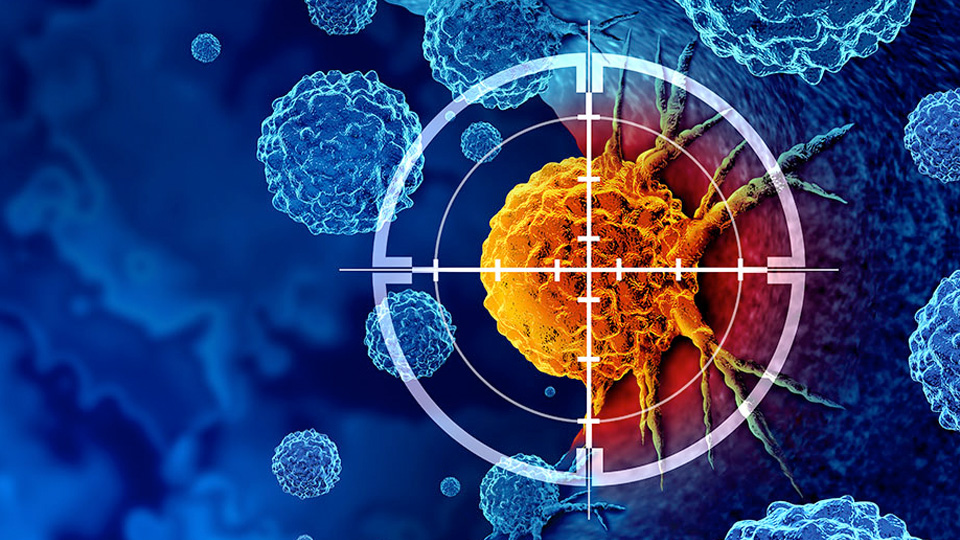
IBB hosts research labs dedicated to different aspects of cancer biology. Their work ranges from studying the basic building blocks of cancer — like genes, cells, and the immune system — to developing practical solutions that can be applied in the clinic to help patients sooner.
Chemical Biology
For IBB researchers at Georgia Tech, chemical biology is an emerging focus that drives the discovery of new diagnostics and therapies, provides powerful tools for studying biological systems, and plays a key role in advancing biomedical innovation and entrepreneurship.

Drug Design, Development and Delivery
IBB researchers seek to further improve pharmaceuticals through research on drug design, drug development, and drug delivery. Our research on drug design emphasizes making new drugs to treat cancer, AIDS, bacterial infections, and other diseases.
Immunoengineering
IBB applies engineering principles to understand, design, and manipulate the immune system, enabling innovative therapies, vaccines, and diagnostics that transform human health.
Mechanobiology
IBB researchers advance mechanobiology by uncovering how physical forces and the mechanical properties of cells and tissues drive biological function, disease progression, and therapeutic innovation.
Microbial Dynamics and Infection
IBB researchers explore microbial dynamics and infection by uncovering how bacteria interact, evolve, and influence host systems, driving new strategies for preventing and treating infectious disease.
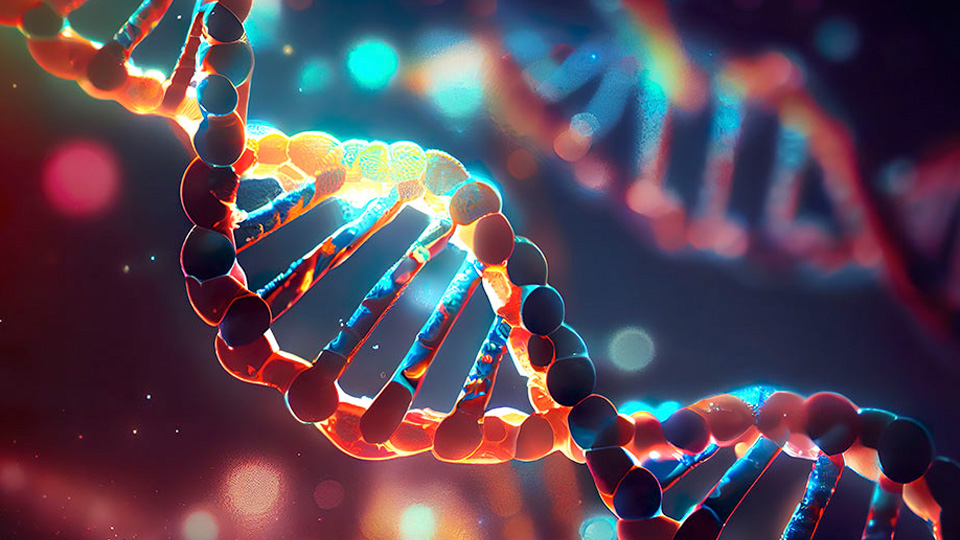
Molecular Evolution
IBB researchers use molecular evolution—the study of how DNA, RNA, and proteins change over time—to investigate the origins of life by reconstructing ancient biological systems and exploring how life’s earliest molecules first assembled.
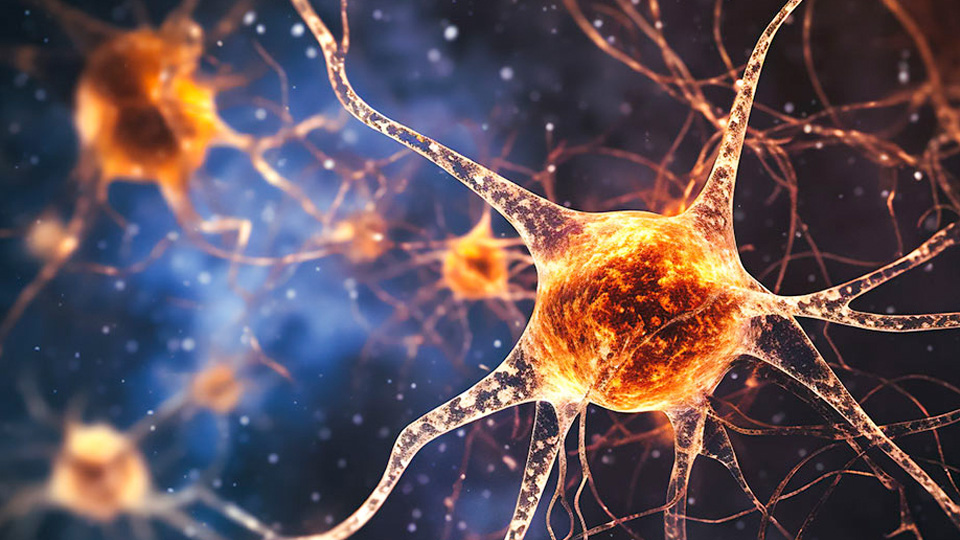
Neuroscience and Neuroengineering
Neuroscience research in IBB is highly interdisciplinary and includes studies of the genetic basis of neural systems and diseases, the functioning of neural cells and systems, relationships between neural activity and behavior, as well as cognitive processing and brain imaging.
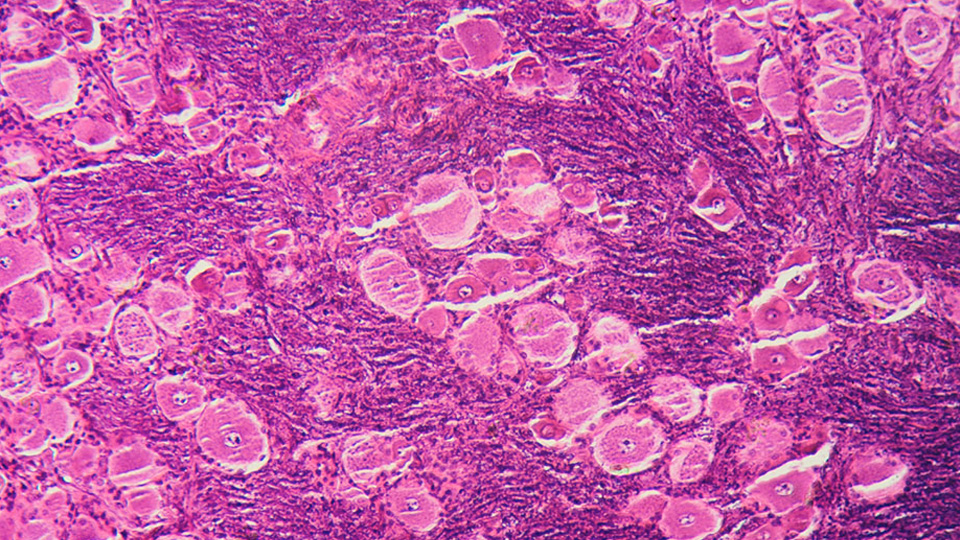
Organoids and Organ-on-Chip Technologies
IBB researchers advance organoid and organ‑on‑chip technologies by creating miniature, functional models of human tissues that enable deeper insights into development, disease, and therapeutic response.
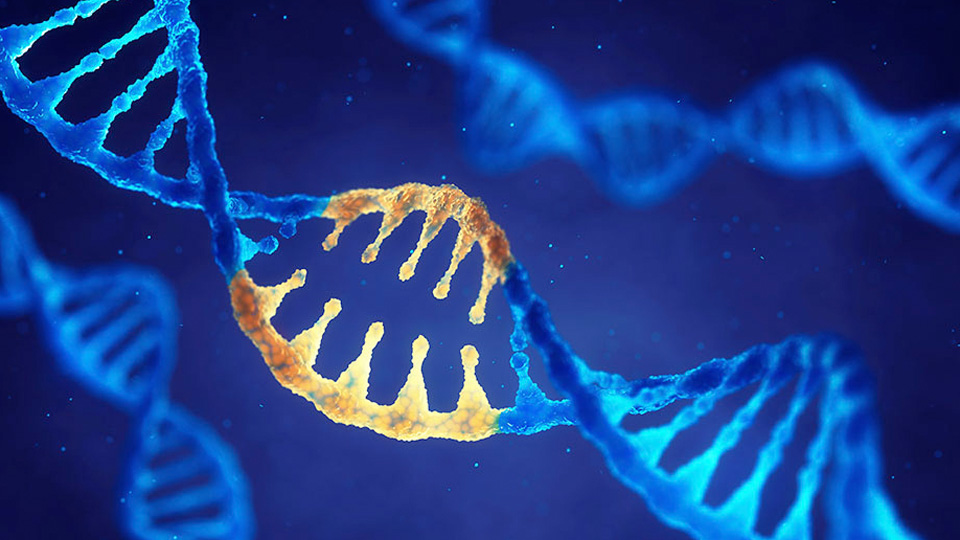
Synthetic and Systems Biology
IBB researchers are using engineering approaches to develop a quantitative understanding of cell function and to apply this understanding for improved technologies to study biological systems such as the immune system or the nervous system.