
Find the latest Georgia Tech Bioengineering and Bioscience news and research here.
August 18, 2026
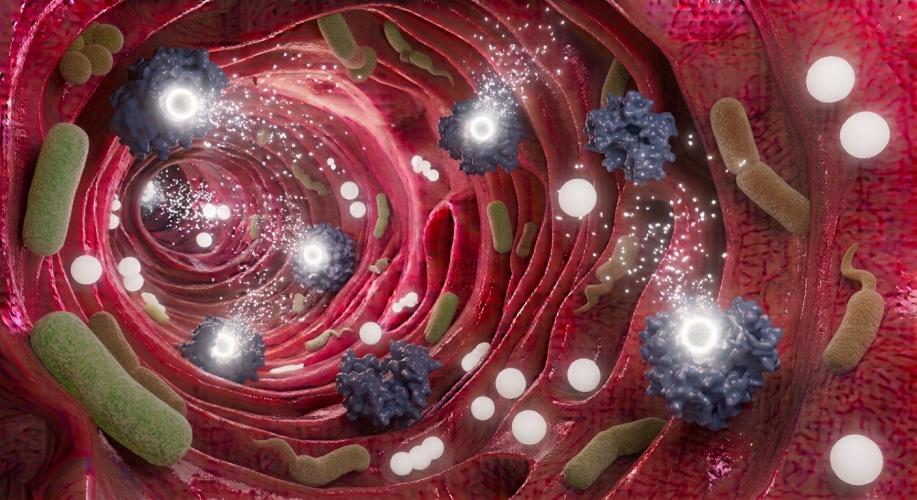
How a Breath Test Could Help Decode the Gut Microbiome
1 min read
Leslie Chan's team developed ingestible probes that measure gut microbiome activity through a simple breath test, enabling earlier disease detection.
Read More

August 14, 2026
Institute for Neuroscience, Neurotechnology, and Society Names Simon Sponberg Associate Director for Interdisciplinary Research
3 min read
The Georgia Tech researcher and longtime neuroscience community leader will help catalyze new collaborations and research opportunities across the Institute for Neuroscience, Neurotechnology, and Society (INNS).
Read More

August 8, 2026
Using AI to Identify Alzheimer’s-Related Brain Patterns Before Symptoms Appear
1 min read
Long before memory loss or confusion appears, Alzheimer's disease may already be causing changes in the brain. These biological changes can go undetected for years, making early identification one of the field's biggest challenges and opportunities.
Read More
August 5, 2026
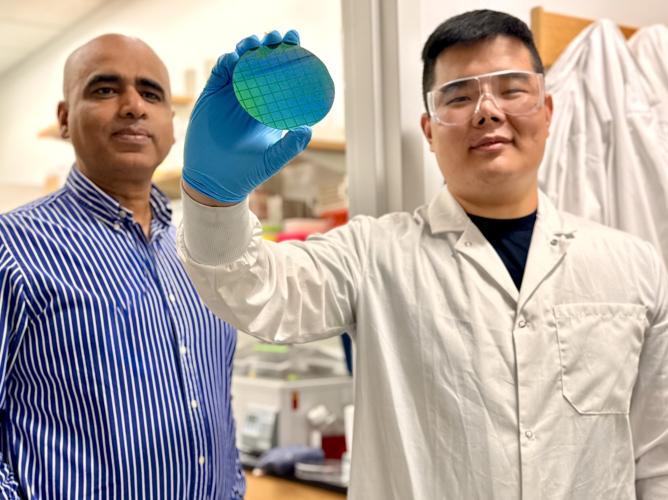
Your Immune Cells Are Tired. Georgia Tech Researchers Found a Way to Wake Them Up.
1 min read
Georgia Tech researchers developed a way to rejuvenate aging immune cells, potentially restoring the body’s ability to better fight cancer, infection, and other diseases.
Read More
August 5, 2026
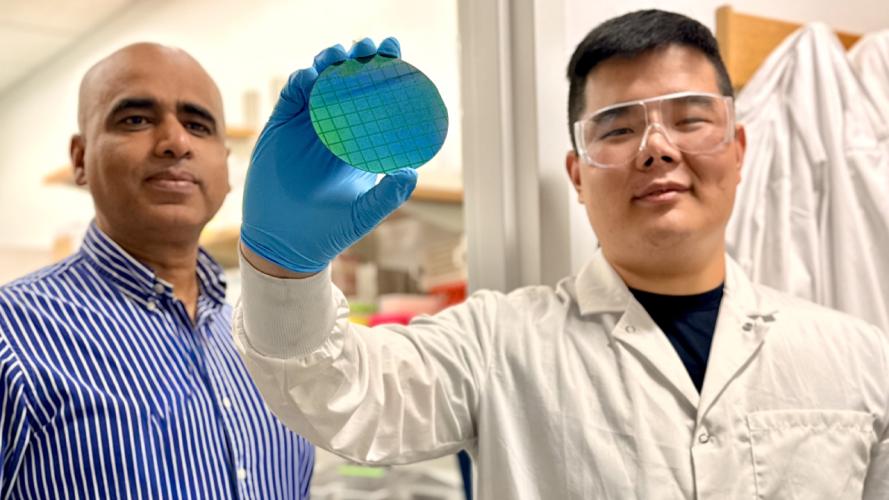
Your Immune Cells Are Tired. Georgia Tech Researchers Found a Way to Wake Them Up.
4 min read
Georgia Tech researchers developed a way to rejuvenate aging immune cells, potentially restoring the body’s ability to better fight cancer, infection, and other diseases.
Read More

August 5, 2026
Where Breakthrough Meets Business: Georgia Tech Grad Makes Impact Through Research, Entrepreneurship
4 min read
Alumnus and serial entrepreneur Chris Lee is using research from his latest company, Huxley Medical, to improve the diagnosis of sleep apnea and related cardiovascular disease with a simple wearable device.
Read More
July 27, 2026
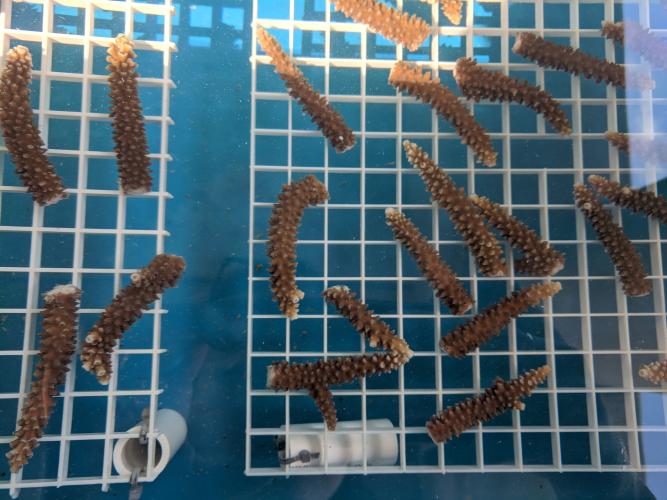
Tiny Predatory Bacteria Help Protect Endangered Caribbean Corals
4 min read
Georgia Tech researchers found that predatory bacteria can halt the spread of a destructive coral disease by hunting and consuming pathogens responsible for the infection.
Read More

July 22, 2026
The Neuro Revolution Is Dawning. Are We Ready?
1 min read
As neuroscience and neurotechnology accelerate, Georgia Tech researchers are examining what a neuro-connected future could mean for society and for humanity itself.
Read More

July 16, 2026
Georgia Tech Receives Commitment to Launch New AI-Driven Health Innovation Center
4 min read
Parker H. Petit’s commitment will launch a research hub focused on using artificial intelligence to model diseases, identify treatment paths, and move discoveries closer to patient care.
Read More

July 9, 2026
Institute for Bioengineering and Bioscience Announces New External Advisory Board Leadership and Members
3 min read
IBB is pleased to announce new leadership and membership for its EAB, which provides strategic guidance to help advance the institute's mission of accelerating interdisciplinary research and innovation.
Read More
July 8, 2026
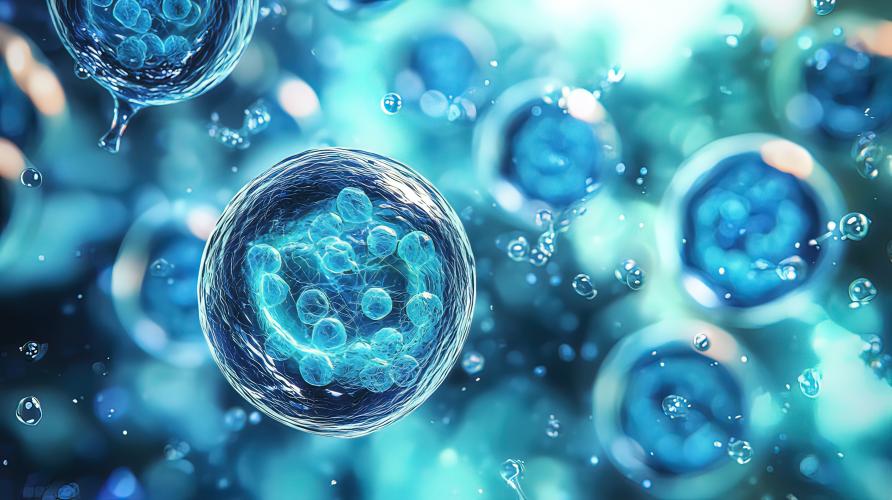
Creating Synthetic Life in a Lab? SpudCell Falls Short of the Goal, But Raises Even More Useful Questions
7 min read
While SpudCell is an important milestone in the field, it stops short of being a fully synthetic living cell.
Read More
July 6, 2026
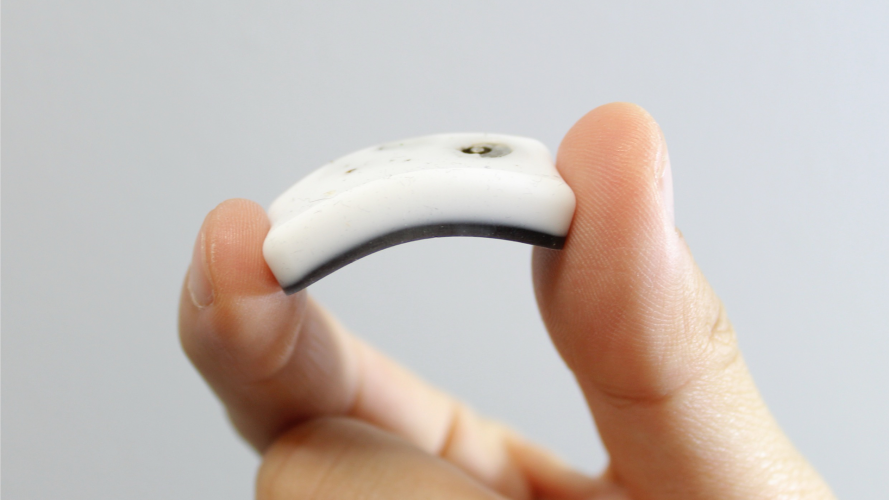
New Soft Wearable Device Could Support At-Home Sleep Monitoring
3 min read
A new Georgia Tech study shows a wireless wearable device could enable home-based monitoring of physiological changes associated with sleep and brain health.
Read More
Visit our Research News Center
The Parker H. Petit Institute for Bioengineering and Bioscience regularly releases articles and videos featuring its research, faculty, and students. This includes stories about drug design, development, and delivery, human health, cancer technologies, biomanufacturing, and other technologies that improve the human condition.